

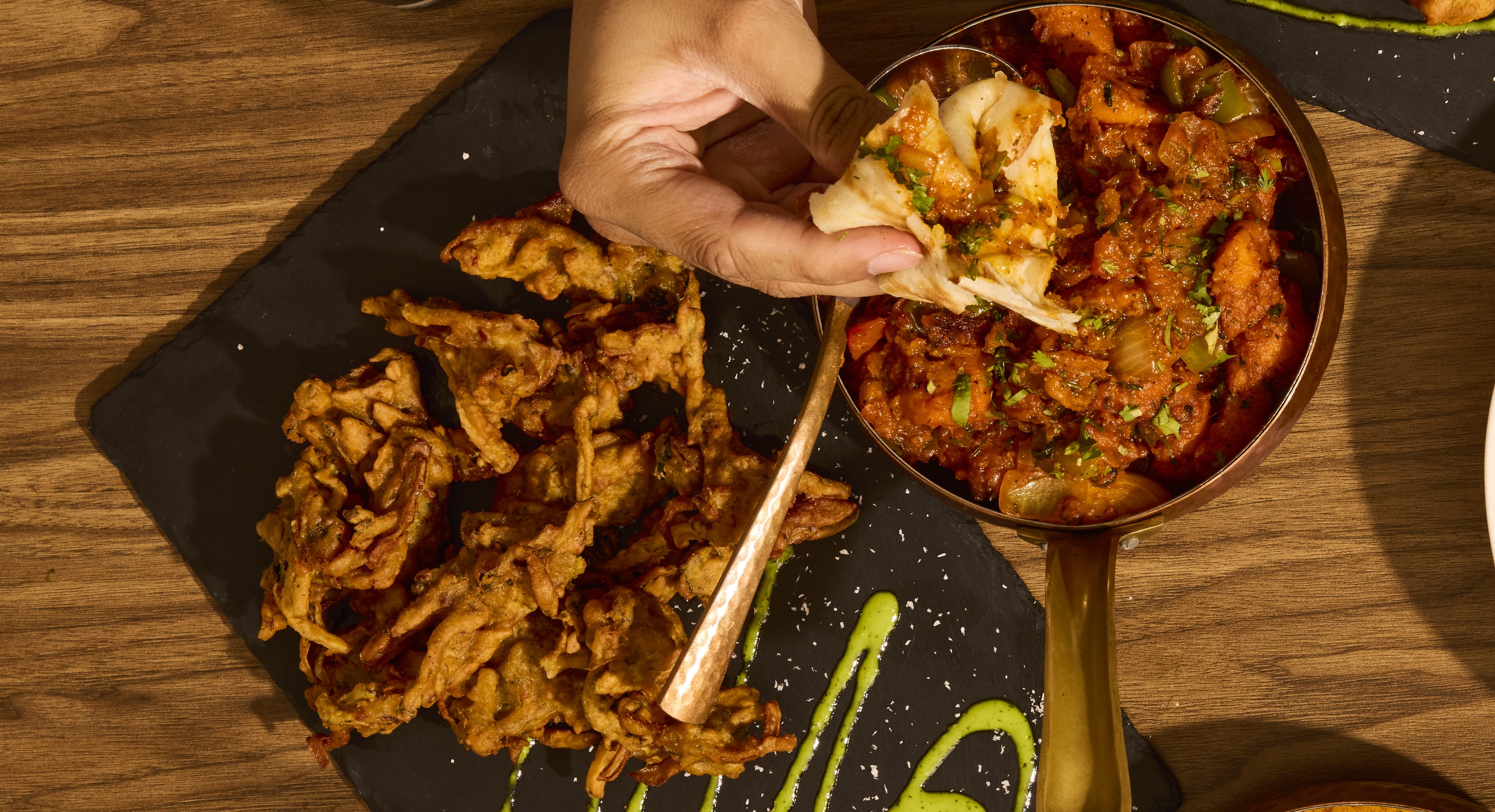
Pakoras Vs Samosas: Which Indian Starter Should Lead A Meal At An Indian Restaurant
Choosing a starter can set the mood for an entire meal. At an Indian restaurant, the aroma of spices, freshly prepared snacks, and warm chutneys can make the first few minutes at the table just as enjoyable as the main course. Two familiar favourites often come to mind: pakoras and samosas. Both are popular snacks, but they offer different textures, flavours, and eating experiences.
Whether you are dining with friends, enjoying a family meal, or ordering Indian food for the first time, knowing what makes each starter different can help you choose the right beginning for your meal.
What Makes Pakoras a Favourite Indian Starter?
Pakoras are usually made by coating vegetables or other ingredients in a seasoned gram flour batter and frying them until crisp. They are known for their crunchy coating, soft centre, and warm spice flavour. The ingredients can vary, making pakoras a flexible option for different tastes.
A Crunchy Bite with Plenty of Variety
Pakoras can be made using several ingredients. Onion pakoras are especially familiar, while potato, spinach, cauliflower, and other vegetables can also be used. The batter often includes spices that add flavour without overpowering the ingredients.
Their appeal comes from the contrast between the crispy outer layer and the tender ingredients inside. When served hot, pakoras can be a satisfying way to start a meal.
Why Pakoras Work Well Before a Main Course
Pakoras are often served with chutneys that balance their fried texture. Mint chutney can provide a fresh, herbal taste, while tamarind chutney adds a sweet and tangy contrast.
They can be a good choice when:
• You want a light starter to share.
• You enjoy crunchy, savoury food.
• You prefer vegetable-based snacks.
• You want something that pairs well with chutney and tea.
Pakoras can also be shared easily, making them a practical choice for a table where everyone wants to sample a few bites before ordering their main dishes.
Why Samosas Bring Something Different to the Table
Samosas are pastry snacks filled with a savoury mixture, commonly potatoes, peas, and spices, then fried until golden and crisp. Unlike pakoras, which are coated in batter, samosas have a pastry shell that holds the filling inside. This gives them a distinct texture and makes them feel more substantial.
A Filling Starter with Familiar Flavours
The classic potato and pea filling combines soft ingredients with spices such as cumin and coriander. The pastry adds crunch, while the filling brings a warm, savoury taste. Depending on the recipe, the seasoning can range from mild to more pronounced.
Samosas are often served with mint or tamarind chutney. The combination of crisp pastry, soft filling, and tangy dipping sauce creates a flavourful bite without needing many additional ingredients.
When Samosas Make the Better Choice
Samosas may be ideal when you want a starter that feels more filling. Their enclosed filling makes them convenient to eat, and their familiar ingredients can appeal to diners who enjoy comforting snacks.
Consider ordering samosas when:
• You want a starter with a substantial filling.
• You enjoy pastry with a crispy texture.
• You prefer potato-based snacks.
• You want a snack that can be shared before a curry or rice dish.
Because samosas are relatively filling, portion size is worth considering if you plan to order several dishes for the table.
Pakoras vs Samosas: A Quick Comparison for Your Next Dinner
Both starters have a place in Indian dining, but their ingredients and textures make them suited to slightly different preferences.
| Feature | Pakoras | Samosas |
|---|---|---|
| Main preparation | Ingredients coated in batter | Ingredients wrapped in pastry |
| Texture | Crispy coating with a tender centre | Crisp shell with a soft filling |
| Common ingredients | Onion, potato, spinach, cauliflower | Potato, peas, spices |
| Eating experience | Light, crunchy bites | More filling, compact snack |
| Best pairing | Mint or tamarind chutney | Mint or tamarind chutney |
| Ideal for | Sampling and sharing | A more substantial starter |
Neither starter is universally better. Pakoras offer a more open, vegetable-focused bite, while samosas provide a pastry shell around a flavourful filling. Your choice depends on what you enjoy and how hungry you are.
How to Pair Your Starter with the Rest of Your Meal
Choosing a starter is easier when you consider what you plan to order next. Indian meals often include a combination of curries, breads, rice, grilled dishes, and accompaniments. A starter should complement those flavours rather than leave you too full to enjoy the main course.
Pairing Pakoras with Curries and Breads
Pakoras can work well before a rich curry because their crunchy texture adds contrast to softer dishes. Onion or vegetable pakoras paired with mint chutney can offer a flavourful introduction before enjoying butter chicken, paneer dishes, dal, or naan.
Pairing Samosas with a Balanced Dinner
Samosas can be a good match for a lighter main course or a meal shared among several people. If you are ordering multiple curries and breads, sharing a samosa rather than ordering several for yourself may help you enjoy more of the meal.
For a group, ordering both starters can also be a simple way to experience different flavours without making the choice a competition.
Conclusion
Pakoras and samosas each bring something different to an Indian meal. Pakoras are a great choice if you enjoy crispy vegetables and lighter bites, while samosas appeal to those who prefer a crunchy pastry filled with savoury ingredients. Both pair well with chutneys and can make the beginning of a meal more enjoyable.
At Naan Club, exploring Indian starters is a way to discover familiar comfort food alongside the flavours that make Indian cuisine enjoyable. Whether you choose pakoras, samosas, or both to share, the best starter is the one that suits your appetite and leaves you ready to enjoy the rest of your dinner.

Leave a Comment
Comments (0)